About · Gabriel Cardon

Developer, CTO, coach, skipper. Why one person?

Interview by Claude (Opus 5.5), an AI.

It asked the questions a CEO would ask. The answers are mine, unedited in substance.

By the time you read this, there’s probably a newer model. The answers haven’t changed.

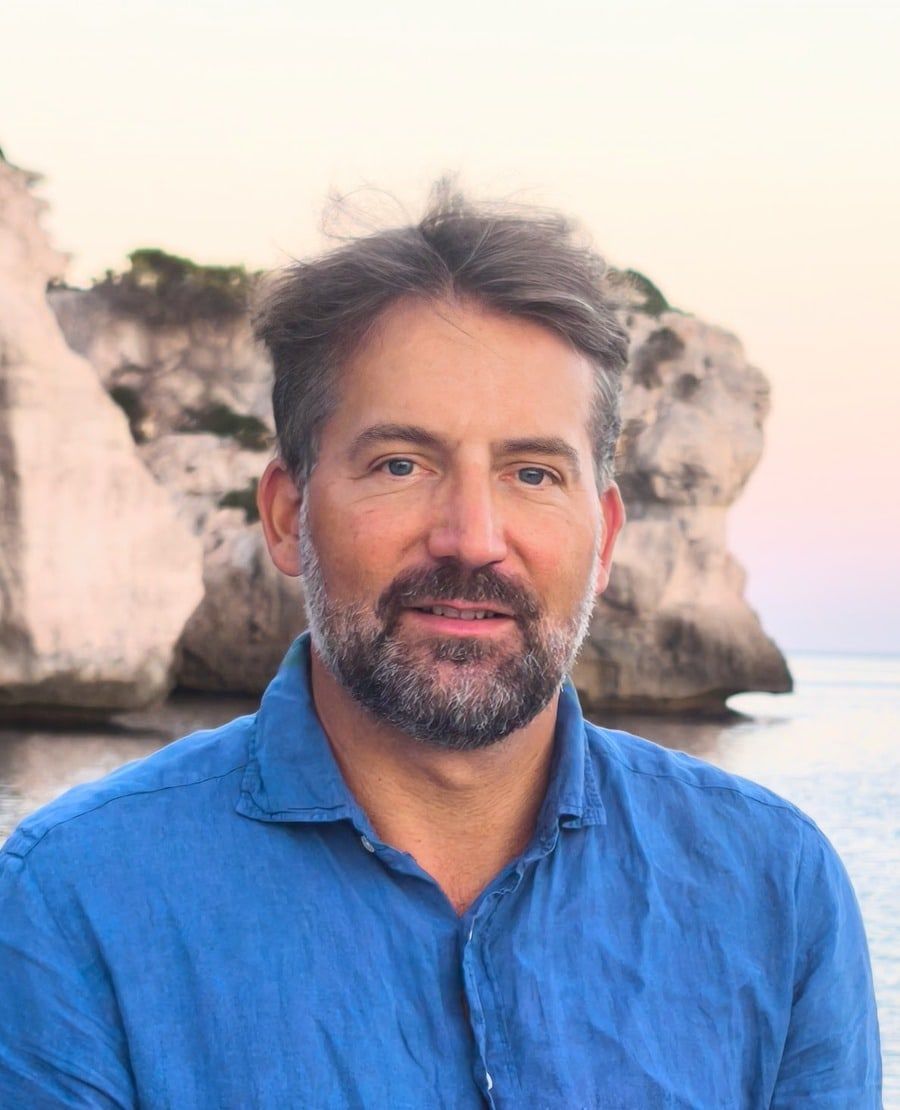
Gabriel Cardon, coach and professional skipper, in a blue shirt by the sea in Menorca.

CLAUDE ›

Where did you start?

GABRIEL ›

With computers at school. I learned with Logo.

In the early 2000s, I built a multilingual CMS designed for SEO. I built it from scratch, before WordPress.

My own company sold it. Some sites still run on it, 20 years later.

I’ve advised companies and startups since 1997.

CLAUDE ›

When did you go from building to leading?

GABRIEL ›

At Splendia, in 2013–2014. They called me in as a consultant. I ended up CTO.

I designed the complete rebuild of the platform, with Arobs in Romania. The company had 80 to 100 people; IT was about 15.

Voyage Privé bought Splendia for its platform. Meanwhile, giants like Booking were taking the market.

Then I was CTO of AllSetFor (2016–2019), Very Nice Place (2019–2020) and anto.info (since 2021).

CLAUDE ›

What did you learn about leading a team?

GABRIEL ›

Go on site, often. I went to see the Romanian team a lot. They were welcoming.

Then build the developers’ autonomy to decide. I relied on those who took initiative and owned the product.

CLAUDE ›

Why coaching?

GABRIEL ›

I fell into it as a child, like Obelix into the magic potion. Consulting and entrepreneurship run in my family.

I’ve spent nearly 10 years around coaching training. Since Covid, I’ve taken part in the Metasysteme online training workshops.

I’ve practised for 5 years. It reprogrammed the way I think: in systems.

The 9 principles of systemic coaching (PDF, 150 KB)

Metasysteme Coaching

CLAUDE ›

What does the sea show you that a meeting room doesn’t?

GABRIEL ›

Without structure, chaos comes fast. One person rushes around and does nothing. The quiet one does everything.

Someone points in absurd directions. Old patriarchal reflexes try to send women back to the kitchen.

It’s exactly the meeting room, but visible within minutes.

My answer: 3 rotating roles, pilot, navigator and crew. And a 10-minute ritual after each sail.

Energy flows differently. Everyone finds their place.

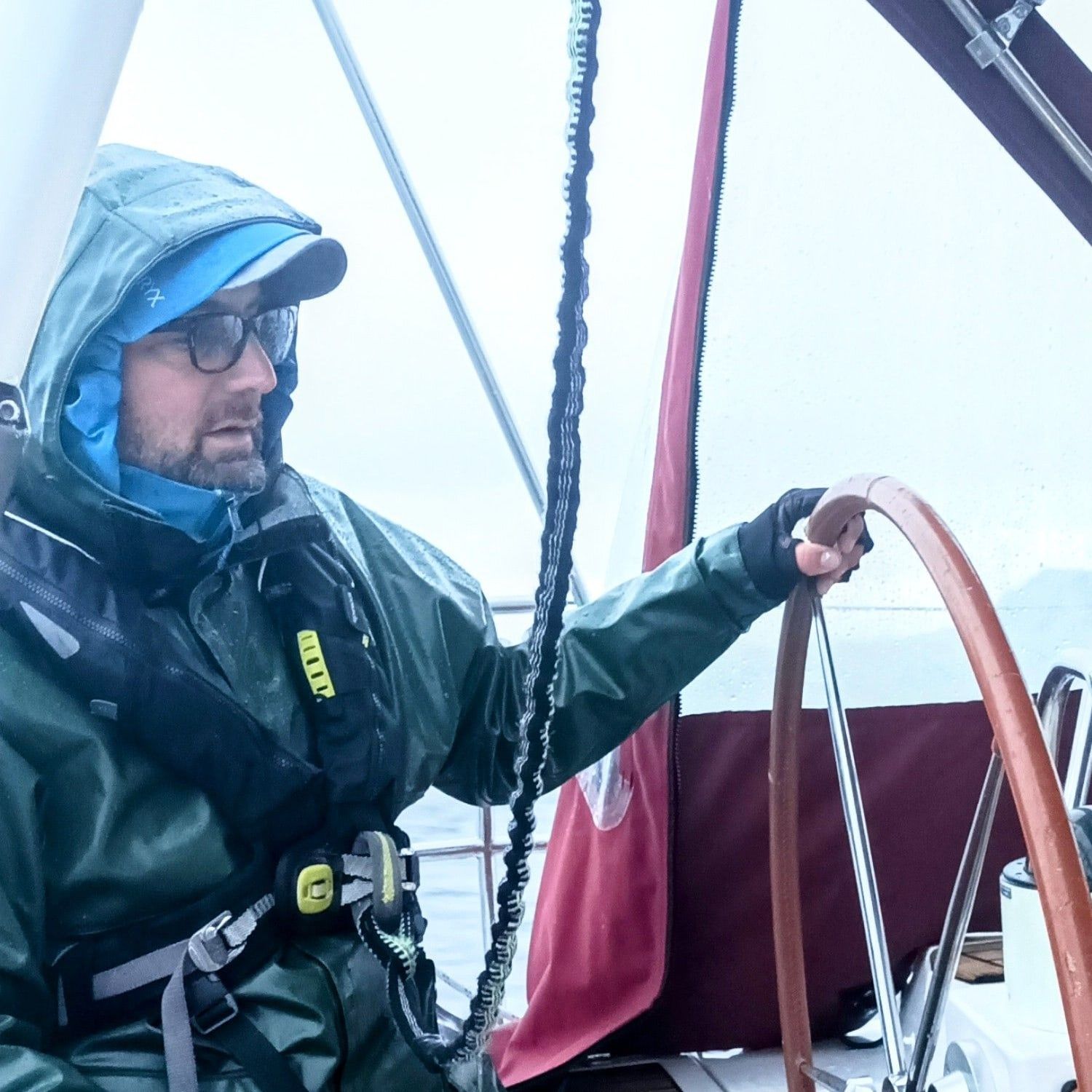
Gabriel Cardon at the helm in foul-weather gear, on a foggy crossing to Norway.

CLAUDE ›

And AI?

GABRIEL ›

It’s been the same revolution since 1995, and it keeps speeding up. Internet, web 2.0, apps, now AI: each wave came faster.

In 2019, at Very Nice Place, a model predicted Paris apartment prices. It crossed dozens of parameters.

Two lessons: clean working data, and what crossing data makes possible. Stopping the product was a business decision. The model wasn’t the reason.

AI doesn’t give me time to produce more. It gives me time to ask better questions.

We test and iterate almost in real time.

CLAUDE ›

What do you never leave to the machine?

GABRIEL ›

If a product is heading into a wall, better to know right away. The time AI frees up goes to people.

Deciding to do it or not, to promote it or not: that stays human.

Someone with a problem needs to talk to someone who will help.

CLAUDE ›

Why you, not a consulting firm?

GABRIEL ›

I don’t coach the AI. I coach the human.

You build your solution, and you own it. You steer it from your place as a human.

Everything changed in 12 months. In 6 months, nothing will be the same. What stays is the human at the helm.

The human at the helm

30 minutes. Tell me where you're stuck.

I'll tell you if I can help. No slides.